
Pact Plumbing Takes Care of All Your Slab Leak Repair Needs in Plano, TX
Slab Leak Repair · Plano, TX
Slab Leak Repair in Plano, TX
A slab leak is a break in a water line running under the concrete your house sits on. In Plano that is not an exotic problem – it is the predictable end of a copper line laid in clay soil that moves with the weather. What matters is finding it accurately and then choosing the repair that suits your house, because there are three genuinely different ways to fix one and they are not interchangeable.
Slab leaks are one part of our wider plumbing services across DFW. To book a leak inspection at your Plano home, use our online scheduling form and a member of the team will confirm the visit.
How a Plano slab leak announces itself
- A warm patch on the floor, which almost always means the hot-water line.
- Running water audible when every fixture is off.
- A water bill that climbed with no change in the household.
- Damp carpet at the edge of a room, or a baseboard that has darkened.
- Pressure that has dropped across the whole house rather than at one tap.
- Doors that have started to stick and hairline cracks appearing in drywall, as the soil under one part of the slab takes on water.
Hot-water lines fail first and fail more often, because the copper is expanding and contracting every time the heater runs and because hot water is harder on the pipe wall.
Plumbing Services We Offer in Plano, TX

Why Plano soil is half the story
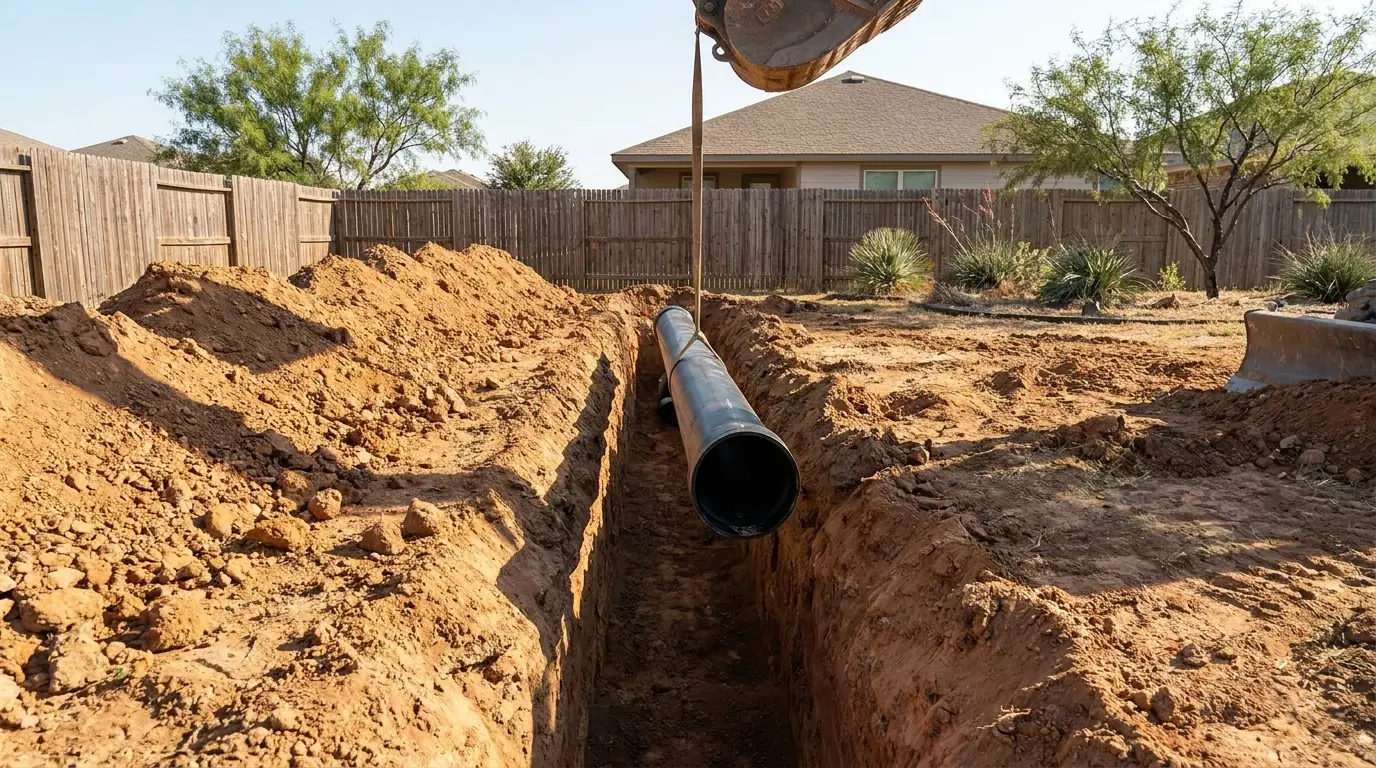
Plano sits on expansive clay. It swells when it is wet and shrinks when it dries out, and in a North Texas year it does both hard. The slab above it moves with it, and the rigid pipes cast into and under that slab move with the slab.
Add abrasion where a line crosses rebar or rests on aggregate, and the failure point is set long before you notice anything. It also explains the feedback loop: the leak wets the clay, the clay swells, the slab lifts unevenly, and the doors that will not close are a plumbing symptom before they are a foundation one.
Locating it before anything is opened
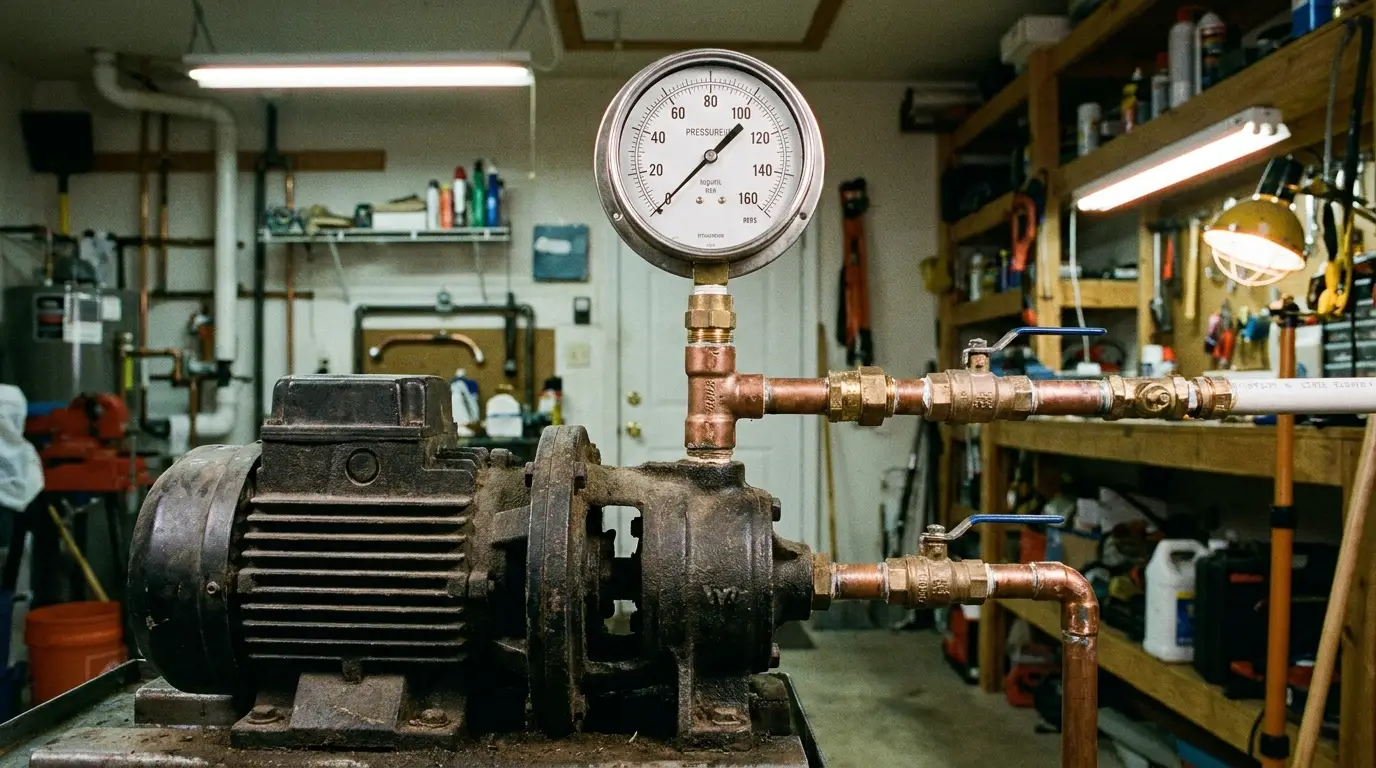
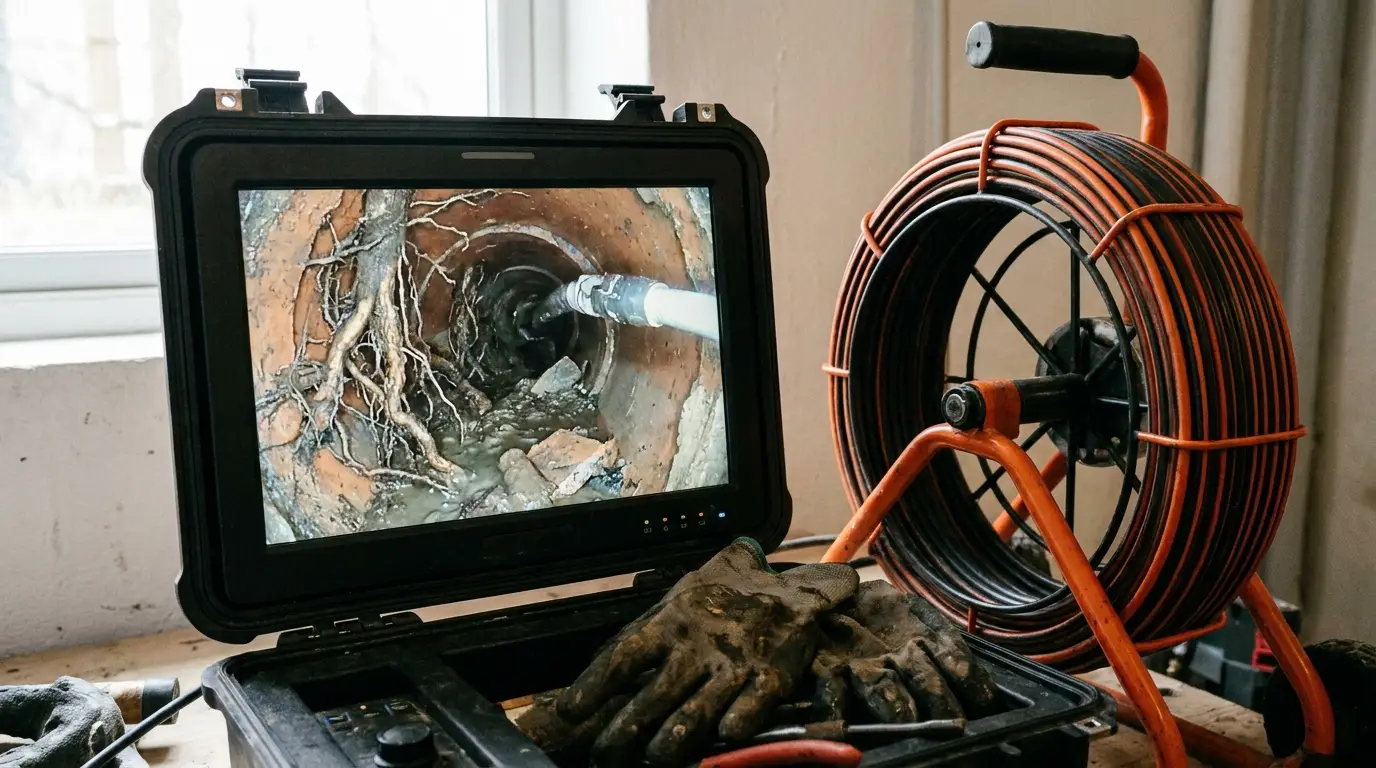
Nothing gets cut until the leak is located. We isolate the supply from the drains, pressurize the suspect line, and listen with acoustic equipment, because a pressurized break makes a sound that carries through concrete. Thermal imaging narrows a hot-line leak quickly. Where a break is too small or too quiet, tracer gas finds it.
The output is a marked location, a depth estimate and an honest read on access – because access is what decides which of the three repairs below makes sense.
The three ways to repair it
Spot repair through the slab
The floor is opened directly above the leak, the concrete is cut, the damaged section is replaced and the slab is patched. It is the most direct route and usually the least expensive, and it suits a leak under a garage, a utility room or a floor finish you were replacing anyway. It is the wrong answer under a kitchen island, a stone floor or hardwood you want to keep.
Tunnelling under the slab
A tunnel is dug from outside the foundation to the leak, and the repair is made from underneath. Nothing inside the house is opened, no floor is cut and you can live normally while it happens. It costs more and takes longer than a spot repair, and it is very often the right choice in a Plano house with finished floors throughout.
Reroute above the slab
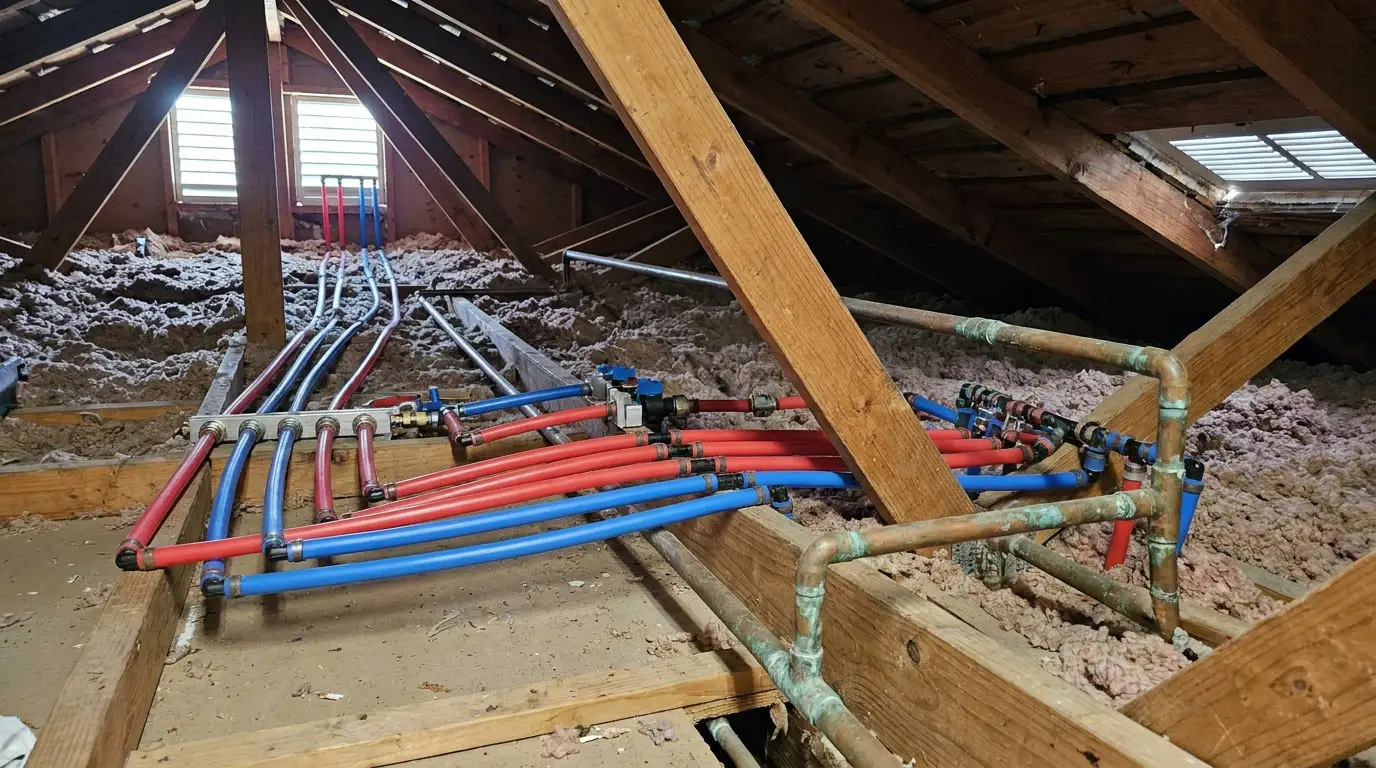
The failed run is abandoned in place and new pipe is routed through the attic and down the walls. This is the answer when a line has already leaked more than once, because a pipe that has failed twice will fail a third time and each repair only addresses the point that broke. It means some drywall work, and it takes that line out of the slab permanently.
Choosing between them
Three questions decide it: what is on the floor above the leak, how many times that line has failed before, and whether the pipe elsewhere in the house is in the same condition. One leak under a garage is a spot repair. One leak under a stone entry is a tunnel. A third leak on the same line is a reroute, and pretending otherwise is selling you the same repair again.
We give you all three with what each involves at your address, and we say which one we would choose and why.
Insurance, and what usually is and is not covered
Plano Slab Leak Repair, at a Glance
The questions a slab leak raises, and how each one is answered on site.
| What comes up | How it is handled | |
|---|---|---|
 | How a Plano slab leak announces itself | Hot-water lines fail first and fail more often, because the copper is expanding and contracting every time the heater runs and because hot water is harder on the pipe wall. |
 | Why Plano soil is half the story | Plano sits on expansive clay. |
 | Locating it before anything is opened | Nothing gets cut until the leak is located. |
 | The three ways to repair it | The floor is opened directly above the leak, the concrete is cut, the damaged section is replaced and the slab is patched. |
 | Choosing between them | Three questions decide it: what is on the floor above the leak, how many times that line has failed before, and whether the pipe elsewhere in the house is in the same condition. |
Policies differ and only your insurer can tell you what yours does. The distinction that usually matters is between the damage the water caused and the cost of getting to and repairing the pipe itself – many policies treat those differently. Document everything from the first day: photographs, the detection report and the written scope. It costs nothing and it is the difference between a claim that moves and one that stalls.
Turning the water off while you wait
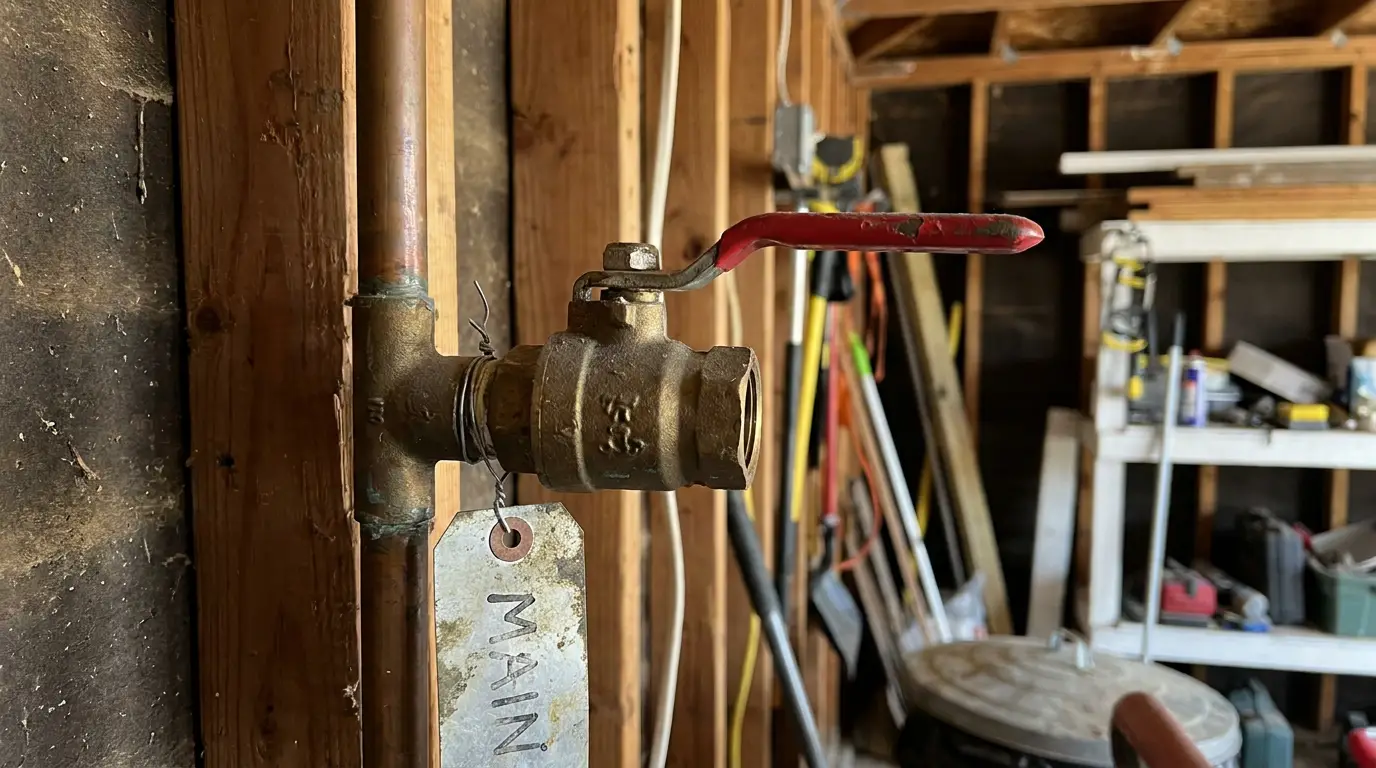
If the leak is running hard enough to be doing damage, find the main shut-off before you need it. In most Plano houses it is at the front of the property near the meter box, or on an exterior wall close to where the supply enters. Know which way it turns and whether it actually closes – a valve that has not been moved in years often does not.
Where the leak is on the hot side only, closing the cold inlet at the water heater isolates it and leaves the rest of the house with cold water, which is a far more livable position than shutting the whole house down overnight. That is worth knowing before a weekend.
What we will not do
We will not quote a slab leak repair over the phone without locating it, because the location decides the method and the method decides everything else. We will also not recommend a whole-house repipe off the back of a single failure. If that is genuinely the right call at your address we will show you why the pipe elsewhere in the house is in the same state – and if we cannot show you, we are not going to claim it.
Related work
- Plumbers in Plano, TX
- Slab leaks in DFW
- Leak detection in Plano
- Hydrostatic testing
- Foundation plumbing in DFW
- Slab leak or sewer leak?

Contact Us For Slab Leak Repair Services in Plano, TX
Call today for slab leak repair in Plano, TX.
Plano Slab Leak Repair FAQs
What actually causes a slab leak in a Plano house?
Movement and abrasion, mostly. Clay soil here shifts with the seasons, and a copper line rubbing against concrete or rebar eventually wears through.
Do you have to break the floor?
Only where the repair happens, and sometimes not at all. A reroute above the ceiling avoids the slab entirely, and on some houses that is the better answer.
Repair the one spot, or repipe the house?
One failure on an otherwise sound system is a spot repair. Repeat failures in the same line are telling you the line is finished, and a repipe stops the cycle.
Will my floor covering survive?
Tile and wood over the repair area come up. That is part of the conversation before work starts, not a surprise afterwards.
How do you confirm the leak is fixed before you close the floor?
Pressure on the line and a meter that stops moving. Neither is optional, and both happen before anything is patched.
Slab Leak Repair Across the Metroplex
The cities our trucks cover, each with its own page.
Plano Slab Leak Repair FAQs
What actually causes a slab leak in a Plano house?
Movement and abrasion, mostly. Clay soil here shifts with the seasons, and a copper line rubbing against concrete or rebar eventually wears through.
Do you have to break the floor?
Not always. If the line can be rerouted through the attic instead of dug up under the slab, that’s usually less disruptive and we’ll price both options so you can compare before deciding. When the slab does need to open, we keep the cut as small as the repair allows.
Repair the one spot, or repipe the house?
It depends on the pattern, not just the single failure in front of you. A first leak on a line that’s otherwise held up fine is a spot repair. If this is the second or third leak on the same section, the pipe material itself is failing and a repipe is the honest recommendation rather than another patch.
Will my floor covering survive?
Whatever flooring sits directly over the cut – tile, wood, laminate – has to come up, and we’ll tell you the exact footprint before we start so there’s no surprise bill for flooring repair afterward. Matching tile or refinishing wood is typically a separate trade, which we can coordinate or hand off to you.
How do you confirm the leak is fixed before you close the floor?
We pressure-test the repaired section and confirm the water meter holds steady with no drift before anything gets closed back up. If either check doesn’t come back clean, we keep working the problem rather than patching over an unconfirmed fix.
Slab Leak Repair Across the Metroplex
The cities our trucks cover, each with its own page.
Contact Pact Plumbing
Warm Spot on the Floor in Plano?
Tell us what you are seeing and hearing. We will tell you what the locate and the repair involve before anything is opened up.
Call Pact PlumbingBook OnlineOur Service Area