 Skip to content
A running toilet is the second most expensive silent leak in any DFW home — second only to a slab leak. The constant low-volume water loss adds up to hundreds of gallons per day and an extra $20-60 on every monthly bill. This guide walks Dallas-Fort Worth homeowners through what causes a running toilet, how to diagnose which of the 5 issues you have, and how to fix each one yourself.
The 30-Second Diagnostic
Stand next to your toilet at night when the house is quiet. Listen. A constantly running toilet sounds like one of these:
- Steady trickle into the bowl — flapper leak
- Periodic refill every few minutes — flapper leak or fill valve issue
- Constant hissing sound — fill valve stuck
- Water dripping into the overflow tube — fill valve set too high
- Faint gurgling — venting issue
The sound tells you what to fix.
Cause 1: Leaking Flapper (Most Common)
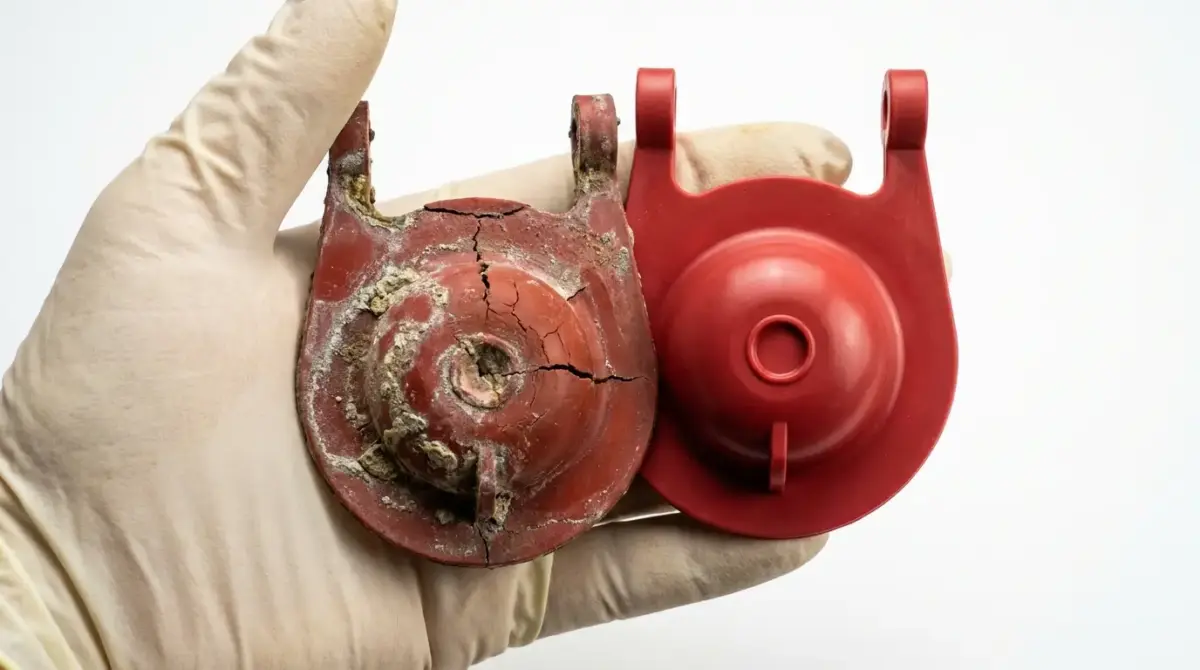
The rubber flapper at the bottom of the tank no longer seals properly. Water slowly leaks past it into the bowl. The fill valve kicks on periodically to top off the tank. The pattern: tank fills, sits quiet for 5-15 minutes, then refills again — over and over all night long.
Confirm: drop a few drops of food coloring in the tank. Wait 15 minutes without flushing. Color in the bowl = leaking flapper.
Fix: replace the flapper. $5-12 part, 10-minute job. See the dedicated toilet flapper guide for full instructions.
Cause 2: Chain Adjustment
The chain between the flush handle and the flapper is too short, holding the flapper slightly open at rest. Water continuously leaks past the flapper into the bowl.
Fix: remove the tank lid. Look at the chain. Should have about a half-inch of slack when the flapper is fully closed. Too tight? Move the chain hook one or two links down the chain length. Too loose? Hook it up one or two links higher. Test by flushing and watching the flapper close fully.
Cause 3: Fill Valve Stuck Open
The fill valve (the vertical tube assembly with the float) isn’t shutting off when the tank is full. Water continues entering the tank and overflowing into the overflow tube. Sounds like a continuous trickle into the bowl.
Confirm: remove the tank lid. Watch the water level. Is it overflowing into the central overflow tube? That’s the fill valve.
Fix attempt 1: adjust the fill valve down. Modern fill valves have a clip or screw to lower the float. Set water level about 1 inch below the top of the overflow tube.
Fix attempt 2: replace the fill valve. $12-25 part. Shut off angle stop, flush, sponge out remaining water, unscrew old valve from underneath the tank, install new one, hook up supply line.
Cause 4: Bad Flush Valve Seat
You’ve replaced the flapper and the toilet still runs. The problem is the flush valve seat — the surface the flapper presses against. DFW hard water leaves mineral scale on the valve seat. Scale prevents any flapper from sealing fully.
Fix: drain the tank. Scrub the valve seat (the circular rim under the flapper) with a Scotch-Brite pad to remove mineral scale. Pour a cup of CLR or vinegar into the overflow tube and let sit overnight for deeper descaling. Reinstall flapper, test for leaks.
If a new flapper still leaks after descaling, the flush valve itself needs replacement — typically requires pulling the toilet. Plumber territory.
Cause 5: Worn Tank-to-Bowl Gasket
Less common: the rubber gasket between the tank and the bowl is leaking. Water from the tank slowly drains into the bowl through the gasket, not through the flapper. The food coloring test will show color in the bowl just like a flapper leak, but a new flapper won’t fix it.
Fix: tank-to-bowl gasket replacement requires pulling the tank off the bowl. About 1-2 hours for a careful DIY-er or 1 hour for a plumber. $15-30 part plus labor.
Why DFW Toilets Run More
North Texas hard water damages toilet internals faster than national averages:
- Flappers warp and develop pinhole leaks in 2-4 years vs. 5-7 nationally
- Flush valve seats scale up and prevent sealing
- Fill valves clog with sediment and stick partially open
- Float assemblies get coated with mineral deposits and stop floating correctly
A whole-house water softener — or at least regular descaling treatments — extends toilet component lifespan substantially.
The Cost of Doing Nothing
According to the EPA WaterSense program, a leaking toilet can waste up to 200 gallons per day. At Dallas water rates (~$5-7 per 1,000 gallons), that’s $30-40 per month per running toilet. Multiple running toilets across a house can add $100+ to monthly bills.
The $5 flapper replacement pays back in two days. Even an entire fill valve assembly pays back in a week.
Bottom Line
A running toilet at night is almost always a 10-minute DIY fix. Listen to the sound. Diagnose which of the 5 causes you have. Swap the failing part. Save $30-40 a month off your DFW water bill.
Trusted Local Network
Toilet repair is often the entry point for broader bathroom maintenance. For related needs, we recommend general handyman services covering plumbing-adjacent work.
Your DFW Toilet Repair Specialists
If your running toilet repair is past DIY (broken valve seat, tank-to-bowl gasket, internal cracks), PACT Plumbing serves Dallas, Fort Worth, Plano, Frisco, McKinney, Carrollton, Keller, Southlake, Grapevine, and Roanoke with full toilet repair service. Contact us today.