There is an undeniable charm to the historic neighborhoods of Dallas. From the beautiful Tudor revivals in Hollywood/Santa Monica and the mid-century moderns in Preston Hollow to the classic Craftsman bungalows of North Oak Cliff, these homes have character that you simply can’t replicate in a new build.
But as any owner of an older home will tell you, that charm often comes with a few hidden headaches. And if your Dallas home was built before the mid-1980s, the biggest headache of all might be buried right beneath your front lawn: cast-iron sewer lines.
At Pact Plumbing, we specialize in sewer line replacement that Dallas homeowners can rely on, and we spend a massive amount of our time helping historic homeowners work through the failure of their original plumbing systems. Here is what you need to know about the cast-iron nightmare hiding underground, and how to fix it the right way.
The Ticking Clock of Cast-Iron Pipes
For decades, cast iron was the gold standard for residential plumbing. It was incredibly durable, suppressed the noise of rushing water, and was readily available. However, cast iron has a fatal flaw: it is highly susceptible to rust and corrosion, especially when constantly exposed to water and sewer gases.
The generally accepted lifespan of a cast-iron sewer line is 50 to 75 years. If you do the math, a home built in 1960 is well past that expiration date. If your home still has its original cast-iron lines, it’s not a matter of if they will fail, but when.
How Cast Iron Fails in North Texas
Unlike modern PVC pipes, cast iron degrades from the inside out. Here is what is likely happening inside the pipes of your older Dallas home right now:
- Scaling and Tuberculation: Over time, rust and mineral deposits accumulate on the interior walls of the pipe. This “scale” creates a rough surface that traps debris, toilet paper, and grease, leading to frequent, frustrating blockages.
- Channeling and Bottom Rot: These are the most catastrophic failures. As corrosive wastewater constantly flows along the bottom of the pipe, it slowly eats away at the metal. Eventually, the bottom of the pipe completely rots out, creating a condition known as “channeling.”
- Soil Erosion and Bellies: Once the bottom of the pipe is gone, raw sewage begins leaking directly into the Dallas clay soil beneath your home. This washes away the dirt supporting the pipe, causing the remaining cast iron to sink and collapse into a “belly.”
The Warning Signs You Shouldn’t Ignore
Because the degradation happens underground, the symptoms often start small. Keep an eye out for these red flags:
- Frequent, stubborn backups: If you are constantly plunging toilets or calling a handyman to snake your main line, the pipe is likely heavily scaled or channeling.
- Slow draining across the house: If your shower backs up when the washing machine runs, you have a mainline issue.
- Sewer gas odors: If you smell a foul, sulfur-like odor in your yard or inside your home, the pipe has lost its airtight seal.
- Foundation issues: In extreme cases, severe water leaks from a rotted sewer line can cause the expansive clay soil under your home to heave, leading to foundation cracks.
If you want to learn more about the unique challenges of maintaining older homes in our area, organizations like Preservation Dallas offer excellent resources for historic homeowners.
Why Traditional Sewer Line Replacement is the Only Real Fix
If a plumber tells you they can fix a rotted cast-iron pipe with “trenchless” epoxy lining, run the other way. At Pact Plumbing, we are staunch advocates for traditional sewer line replacement. We do not offer trenchless solutions, and for older Dallas homes, the reason is simple: You cannot line a pipe that has no bottom. Trenchless methods rely on the structural integrity of the existing pipe. If your cast-iron pipe has rotted away at the base and collapsed into the mud, installing a liner through it is essentially building a new, extremely fragile pipe directly on raw dirt. It will inevitably sag, fail, and leave you thousands of dollars in the hole.
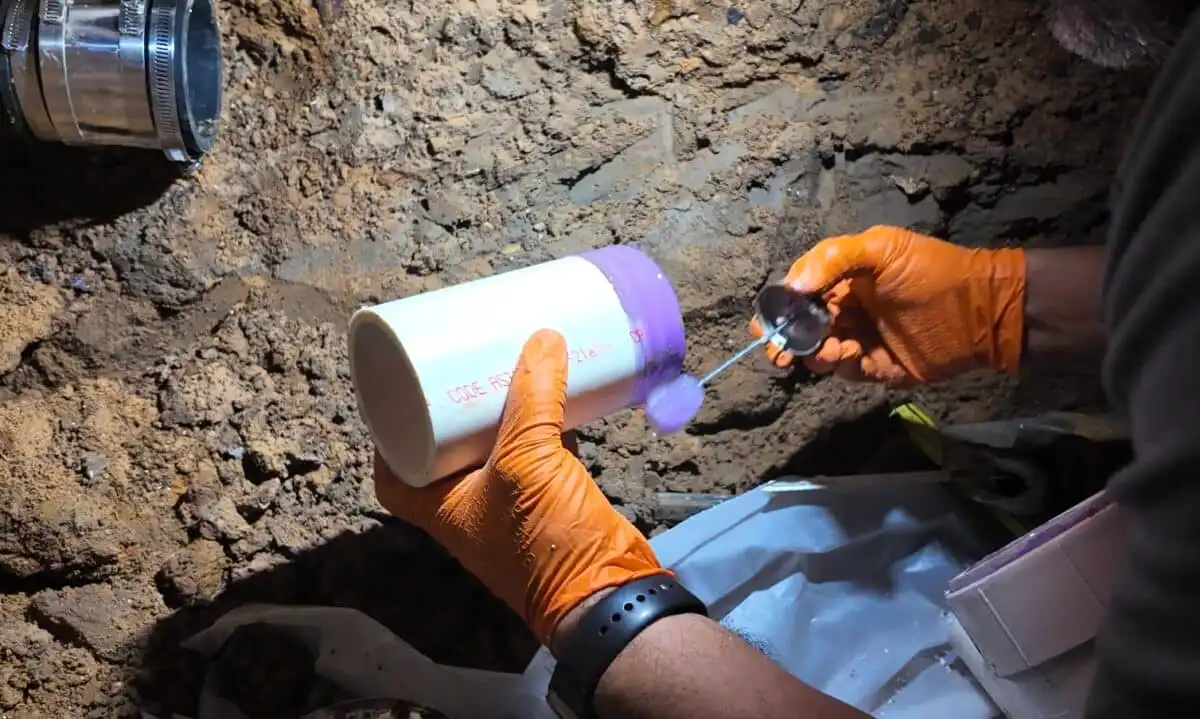
When we perform a sewer line replacement, we do it the right way. We carefully excavate to remove the rusted, rotting cast iron completely. We re-grade the trench with precision lasers, install a solid bed of crushed gravel to stabilize the North Texas soil, and lay down heavy-duty, root-proof PVC pipe. We also handle all the necessary permitting with the Dallas Building Inspection Department to ensure your historic home is brought perfectly up to modern code.
Don’t Wait for a Collapse
If you live in an older neighborhood in Dallas, Richardson, Garland, or Plano, don’t wait for a raw sewage backup to ruin your property. Call the sewer plumber Dallas trusts. Contact Pact Plumbing today to schedule a complete sewer camera inspection. We will show you exactly what the inside of your pipes looks like, give you an honest assessment, and provide a permanent solution to protect your historic home for the next century.