Hydrostatic testing is a term most DFW homeowners only hear when something has already gone wrong — usually after a slab leak, a real estate inspection finding, or an insurance claim. This guide explains what hydrostatic testing actually is, when you need one in Dallas-Fort Worth, what it reveals, and what each kind of test costs.
Ready to book a test? See our service page for coverage and cities: Hydrostatic Testing across Dallas-Fort Worth.
If your inspector or plumber just told you that you “need a hydrostatic test,” this is what’s about to happen and what it means.

Need a Quick Test? Give us a Call!
What Hydrostatic Testing Actually Is
Hydrostatic testing measures whether your home’s plumbing holds water pressure or whether it’s leaking somewhere underground. A licensed plumber:
- Locates a cleanout in your sewer line
- Inserts an inflatable test ball or plug downstream of the cleanout to seal off the line
- Fills the line with water from the cleanout upward into the home’s plumbing
- Watches for water level drop over 15-30 minutes
If the water level holds steady — no leak. If it drops, there’s a break or crack somewhere in the line. The test doesn’t tell you exactly where the leak is, just that it exists.
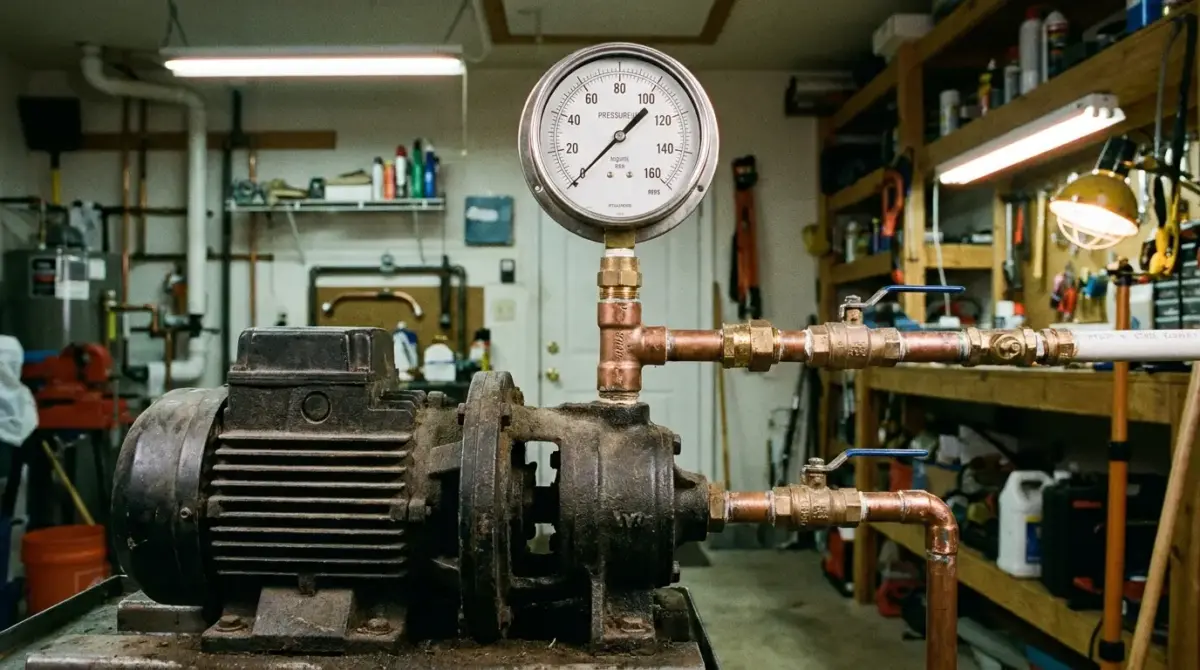
For pressurized water supply lines (not drains), a similar pressurized air or water test is performed by isolating the system and watching a pressure gauge for drop over time.
When You Actually Need a Hydrostatic Test
After Foundation Repair
The #1 reason DFW homeowners get a hydrostatic test. Foundation piers being driven under a house can crack underground sewer pipes. Most reputable foundation contractors insist on a hydrostatic test both before AND after their work — before to establish baseline, after to verify nothing was broken.
Real Estate Transactions
Many DFW home inspections include or recommend a hydrostatic test as part of the buyer’s due diligence on older homes. If you’re buying a 30+ year old home with a slab foundation, this is one of the cheapest insurance policies you can buy against catastrophic post-purchase plumbing surprises.
Insurance Claims
Homeowner’s insurance often requires a hydrostatic test to confirm that a covered loss is actually plumbing-related (rather than the result of slow long-term leakage that wouldn’t be covered).
After Tree Removal
Removing a large tree close to your sewer line can damage the line during stump removal. A post-removal hydrostatic test confirms no damage.
Unexplained High Water Bills
If your water bill is high and you’ve already checked for visible leaks and running toilets, hydrostatic testing on your supply lines can confirm an underground leak.
After Permitted Plumbing Work
Most DFW cities require hydrostatic testing after major plumbing work to pass final inspection. Your plumber handles this as part of the permit process.
What Hydrostatic Testing Costs in DFW
- Sewer line (drain) hydrostatic test: $200-500 typically
- Water supply line pressure test: $150-350
- Combined supply + drain test for full plumbing inspection: $400-800
- Camera inspection bundled with hydrostatic test: add $200-400
Pricing varies based on accessibility of cleanouts and complexity of the system. A house with multiple cleanouts that’s easy to access is cheaper than one where the plumber has to pull a toilet to find a test point.
What Hydrostatic Testing Doesn’t Tell You
A hydrostatic test confirms a leak exists. It doesn’t tell you:
- Exactly where the leak is
- What caused the leak
- How long it’s been leaking
- How severe the leak is
If the test fails, the next step is typically electronic leak detection or camera inspection to locate the leak precisely.
DIY Hydrostatic Testing — Don’t
Filling your home’s drain system with water under pressure without proper test plugs can cause sewage to back up into your house. Filling pressurized supply lines without proper pressure regulation can damage fixtures and water heater connections.
This is one of the few plumbing diagnostics where the cost of having a pro do it ($200-500) is less than the cost of doing it wrong yourself.
When to Skip the Test
Hydrostatic testing isn’t always the right diagnostic. Skip it if:
- The leak is obvious and visible — fix it directly, save the test cost
- You already know the source of a problem from camera inspection
- The home is new construction with verifiable plumbing inspection records
For more on hydrostatic testing standards, see the Texas Plumbing Code requirements maintained by TDLR.
Bottom Line
Hydrostatic testing is the standard diagnostic for finding hidden plumbing leaks in DFW homes — especially after foundation work, before real estate transactions, and during insurance claims. It costs $200-800 depending on scope, and it’s one of the most accurate ways to confirm whether your underground plumbing is intact. Don’t DIY it. Don’t skip it before foundation work. And always pair it with camera inspection if the test fails to locate the actual leak.
Trusted Local Network
Hydrostatic testing intersects with the insurance claim process when results reveal damage that requires repair. Professional policyholder insurance claim services handle the carrier advocacy side for affected homeowners. And for general handyman support that often comes up during the access work hydrostatic testing requires, general home-services contractors cover that scope in their markets.
Your DFW Hydrostatic Testing Specialists
If you need hydrostatic testing in DFW — whether before foundation work, for a real estate inspection, or to verify a leak — PACT Plumbing serves Dallas, Fort Worth, Plano, Frisco, McKinney, Carrollton, Keller, Southlake, Grapevine, and Roanoke with licensed hydrostatic testing and full reporting. Contact us today.