
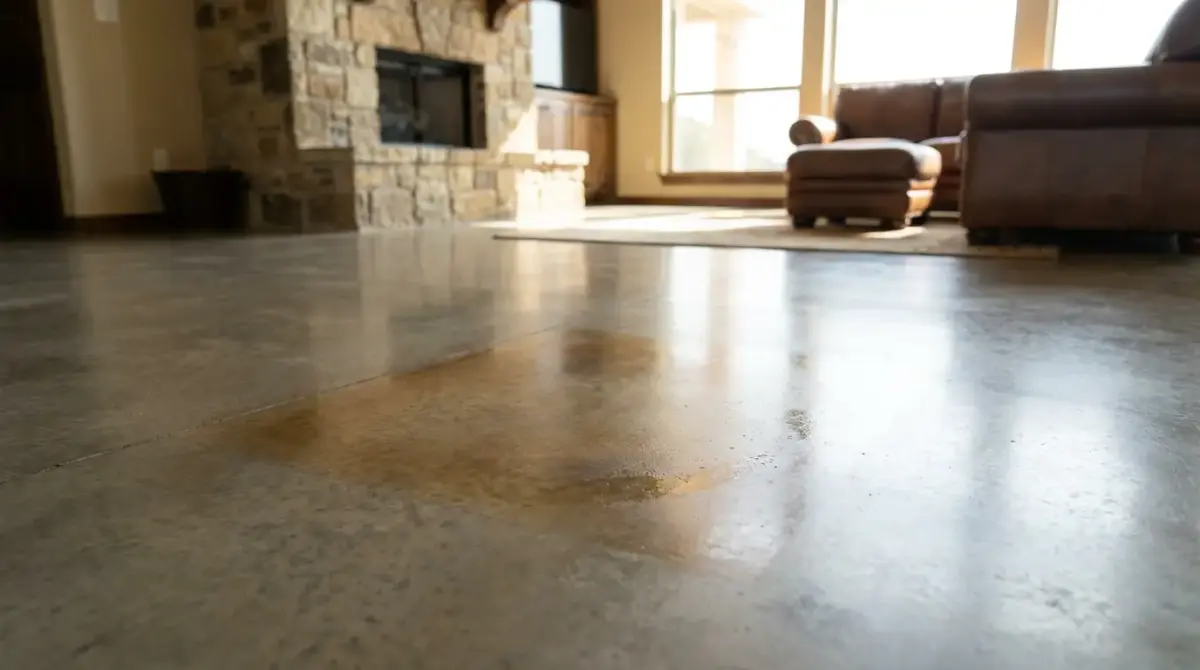
Foundation plumbing issues are the most expensive plumbing surprise any DFW homeowner can hit — and they’re far more common in North Texas than almost anywhere else in the country. Expansive clay soils, slab-on-grade construction, and aging copper pipes create a perfect storm under Texas homes. This guide walks Dallas-Fort Worth homeowners through what foundation plumbing repair actually involves, why DFW has so much of it, and how to spot problems before they crack your slab.
Why DFW Foundations Stress Plumbing
Most DFW homes sit on post-tension concrete slab foundations poured directly on soil. The soil under that slab is heavy expansive clay — Houston Black, Houston, and Burleson series soils dominate the Metroplex. These clays swell dramatically when wet and shrink dramatically when dry. Annual movement of 3-6 inches is normal in untreated North Texas yards.
Your home’s water supply lines and sewer lines run through this constantly-moving soil. Every wet/dry cycle stresses pipe joints. Eventually something fails — usually a copper supply line developing a pinhole leak or a sewer joint cracking enough to leak.
Warning Signs of Foundation Plumbing Problems
- Hot spots on the floor — slab leaks on hot water side
- Visible foundation cracks appearing along the path of underground plumbing
- Sticking doors and windows as the slab shifts from saturated soil under it
- Water bill spike with no obvious leak
- Mildew smell coming from baseboards or floor cracks
- Wet patches in the yard over the sewer line path even during dry weather
- Sewer smell outside the cleanout or around the foundation
Two or more of these signs together means you need hydrostatic testing immediately.
The Two Foundation Plumbing Problems
1. Supply Line Slab Leak
A copper or PEX water supply line under the slab develops a leak. Water flows continuously under your foundation, eroding soil, saturating clay, raising your water bill. Diagnosed by electronic leak detection equipment that listens for the sound of pressurized water escaping.
2. Sewer Line Break Under Slab
A sewer pipe under the slab cracks or breaks. Sewage leaks into the soil under the foundation. Doesn’t show up on water bills but causes mildew smells, soggy areas, and gradual soil erosion. Diagnosed by hydrostatic testing or sewer camera inspection.
Three Repair Approaches
Tunneling Under the Slab
Crews dig a tunnel from outside the house, under the foundation, to the leak location. Repair or replace the affected pipe section. Tunnel is backfilled when work is complete. No interior demolition required.
DFW cost: $3,500-12,000+ depending on leak location and tunnel depth required.
Best when: the leak is on a single line and you want to preserve your interior flooring.
Cutting Through the Slab
Crews break out a section of interior slab to access the leak directly. Cut and replace the bad pipe. Patch the slab. Restore flooring.
DFW cost: $2,500-6,000 for the plumbing work plus flooring restoration. Cheaper than tunneling but disruptive to interior.
Best when: you’re already planning a renovation in that area, or the affected flooring is easy to replace.
Pipe Rerouting
Instead of repairing the buried pipe, abandon it in place and run a new line through the attic, walls, or ceiling to the fixtures. No foundation work required. Common DFW choice for slab leak repairs.
DFW cost: $1,500-5,000 depending on routing complexity.
Best when: only one or two fixtures are affected and overhead routing is practical.
When Replacement Is the Better Investment
For homes with multiple slab leaks in a short period — or homes with original 1970s-1980s copper systems showing signs of widespread pinhole failure — a full PEX repipe is often the smarter long-term move. Spending $5,000 to repair one slab leak now and another $5,000 next year on the next leak is throwing money at a failing system. A $7,000-10,000 full repipe gives you a 50-year fix.
Foundation Repair and Plumbing
Critical for DFW homes: if your foundation has been or will be repaired, hydrostatic testing both before and after the foundation work is essential. Foundation piers can crack plumbing during installation, and you want a baseline to prove what was healthy before the foundation crew showed up. The Texas Plumbing Code outlines the testing standards.
Reputable foundation contractors insist on plumbing tests as part of their workflow. If yours doesn’t, that’s a red flag — they’re either inexperienced or hiding potential liability.
Insurance and Foundation Plumbing
Standard Texas homeowner policies typically cover:
- Water damage from sudden slab leak ruptures (flooring, drywall, contents)
- Tunneling and slab restoration in some plans
Typically NOT covered:
- The actual pipe repair (you pay the plumber out of pocket)
- Damage from gradual long-term leakage
- Foundation movement caused by the soil saturation
Always document everything with photos, get the plumber to write a report explaining what failed, and work with your adjuster from day one.
Bottom Line
Foundation plumbing is the most expensive surprise a DFW homeowner can hit — and it’s almost always preventable with early detection. Hydrostatic testing before suspected damage and after any foundation work catches problems while they’re still small. Once a slab leak is confirmed, choose the repair method that matches your timeline and budget. For older homes with multiple leaks, a full repipe often saves money long-term.
Trusted Local Network
Foundation plumbing issues often cascade into structural and restoration work.
Your DFW Foundation Plumbing Specialists
If your DFW home is showing foundation plumbing warning signs, PACT Plumbing serves Dallas, Fort Worth, Plano, Frisco, McKinney, Carrollton, Keller, Southlake, Grapevine, and Roanoke with electronic leak detection, hydrostatic testing, and full slab leak repair. Contact us today.