



 info@pactplumbing.com
 Open 24 Hours, 7 Days a Week


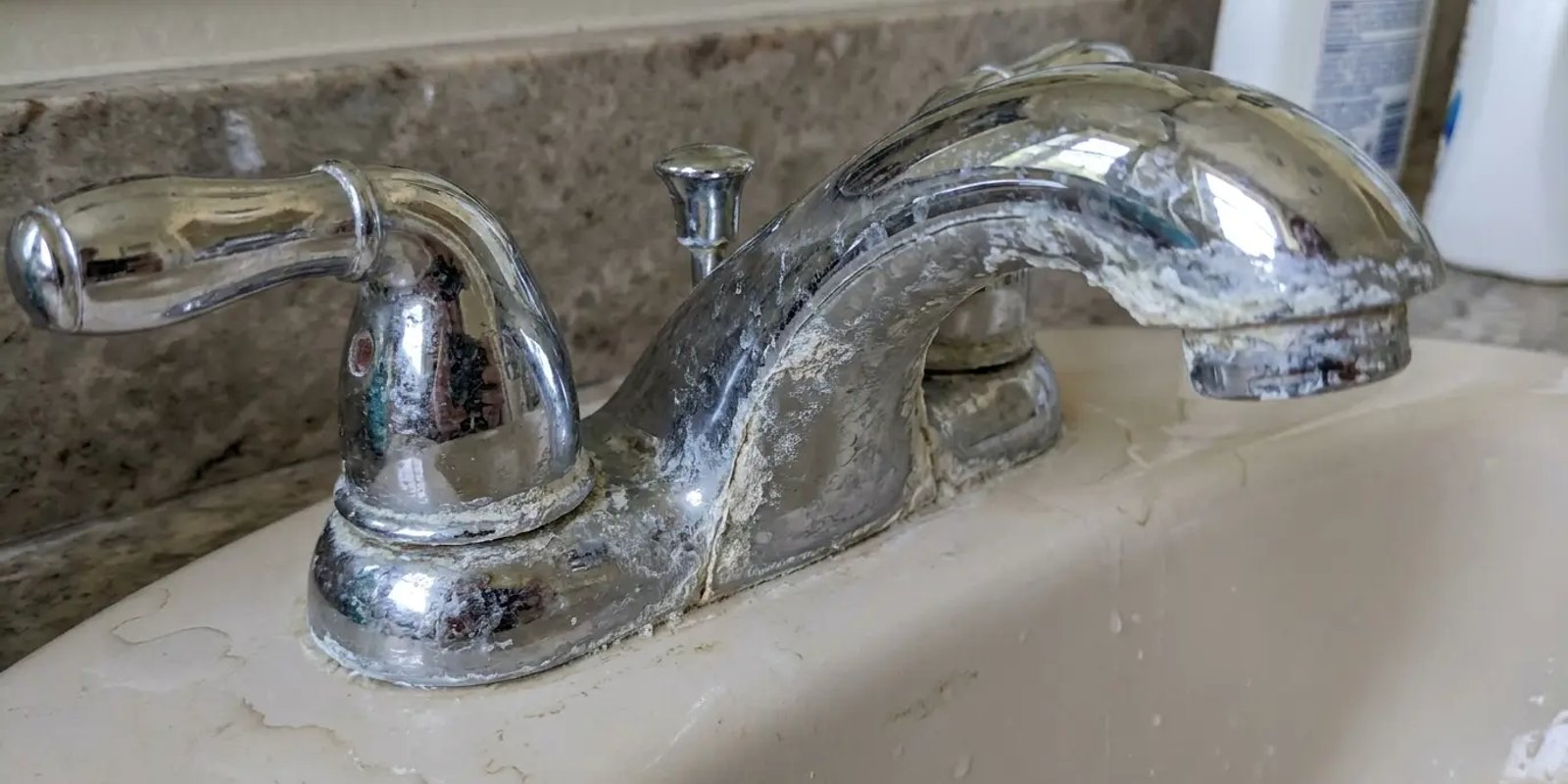

Water softener systems are essential for North Texas homes — but the salt that makes them work confuses most DFW homeowners. Wrong salt type, wrong quantity, wrong refill schedule, and your water softener stops working without you realizing it. This guide walks Dallas-Fort Worth homeowners through exactly which water softener salt to buy, how much to add, how often, and how to spot problems.
How Water Softener Salt Actually Works
A water softener uses a resin tank filled with thousands of tiny beads that attract calcium and magnesium ions from your DFW hard water. When the resin is saturated, the system regenerates by flushing salt brine through the resin. The sodium ions in the brine swap places with the calcium and magnesium, restoring the resin’s capacity. The displaced minerals flush down the drain.
The salt itself isn’t going into your drinking water in significant amounts — it’s just what makes the regeneration cycle work. Without enough salt in the brine tank, the system can’t regenerate, and your water reverts to its DFW hard water state.
The 4 Types of Water Softener Salt
1. Solar Salt (Most Common in DFW)
Made from evaporated seawater. Available as crystals or pellets. Most economical option at $7-12 per 40-pound bag. Works in most residential water softener systems.
Best for: standard residential softeners with municipal water supply. Most DFW homes use solar salt.
2. Evaporated Salt (Premium)
Highest purity (99.6%+). Costs $10-18 per 40-pound bag. Leaves less residue in the brine tank, requires less frequent tank cleaning.
Best for: high-end softeners, homes with sensitive plumbing, or anyone who wants minimum maintenance.
3. Rock Salt (Avoid)
Cheapest option ($4-7 per bag) but full of insoluble impurities. Quickly clogs brine tanks and damages valve mechanisms. The “savings” cost you more in maintenance and damage.
Best for: nothing. Skip it.
4. Potassium Chloride (Specialty)
Sodium-free alternative for homes with extreme low-sodium dietary restrictions. Significantly more expensive ($30-50 per bag) and less effective per unit weight than sodium-based salt.
Best for: households with strict low-sodium medical requirements, or DFW homes where the wastewater goes to private septic systems with sodium concerns.
How Much Salt Your DFW Softener Uses
DFW hard water at 12-18 grains per gallon hardness is roughly double the national average. Translation: your softener uses about twice as much salt as a softener in softer-water regions.
Typical salt usage for a 4-person DFW household:
- Properly sized softener: 1 bag (40 lbs) every 4-6 weeks
- Undersized softener: 1 bag every 2-3 weeks (sign you need a bigger unit)
- Smaller household (2 people): 1 bag every 8-12 weeks
- Large household (6+ people): 1 bag every 2-4 weeks
If your salt usage doesn’t match these ranges, something’s off — too much usage means inefficient regeneration; too little usage often means the softener isn’t actually regenerating.
How to Refill the Brine Tank
- Open the brine tank lid
- Check the existing salt level — keep it at least 1/3 full at all times
- If there’s a “salt bridge” (hard crust on top of the salt), break it up with a broom handle before adding more
- Pour new salt into the tank, filling no more than 2/3 full
- Close the lid
Don’t worry about precise measurements — the tank dissolves only what it needs each regeneration cycle.
Common DFW Salt-Related Problems
Salt Bridge
A hard crust forms across the top of the salt that prevents water from reaching the salt below. Looks like the tank has salt, but the softener isn’t getting brine. Symptoms: water feels hard again even though the tank looks full.
Fix: break up the bridge with a broom handle. Top off as needed.
Salt Mushing
Salt at the bottom of the tank turns into a slurry that won’t dissolve properly. Common with cheaper salt types over time.
Fix: shovel out the mush, clean the tank with fresh water, refill with higher-quality salt.
Iron in Water
Some DFW areas have well water or older municipal supplies with iron content. Standard softeners struggle with iron. Symptoms: rust-colored staining on fixtures, brown residue in toilet tanks.
Fix: use iron-fighter salt (sold at hardware stores) or install a dedicated iron filter ahead of the softener.
Brine Tank Cleaning
Even with high-quality salt, the brine tank accumulates sediment over years. Schedule a full brine tank cleaning every 5 years:
- Use up the salt in the tank to nearly empty
- Disconnect the brine tank from the softener
- Empty remaining water and sediment
- Rinse with fresh water and a mild dish soap
- Reinstall, refill with fresh salt
The EPA Water Treatment Options guide includes water softener maintenance best practices.
Bottom Line
For most DFW homes, solar salt pellets at $8-12 per bag — refilled every 4-6 weeks — is the right answer. Skip cheap rock salt. Watch for salt bridges and salt mushing. Clean the brine tank every 5 years. Done right, your softener delivers consistently soft water for 15-20 years on a North Texas property.
Your DFW Water Softener Specialists
If your water softener isn’t working right, isn’t sized properly, or needs replacement, PACT Plumbing serves Dallas, Fort Worth, Plano, Frisco, McKinney, Carrollton, Keller, Southlake, Grapevine, and Roanoke with full water softener and filtration systems service. Contact us today.